Local 80B Coding agents with power efficiency.
TL;DR
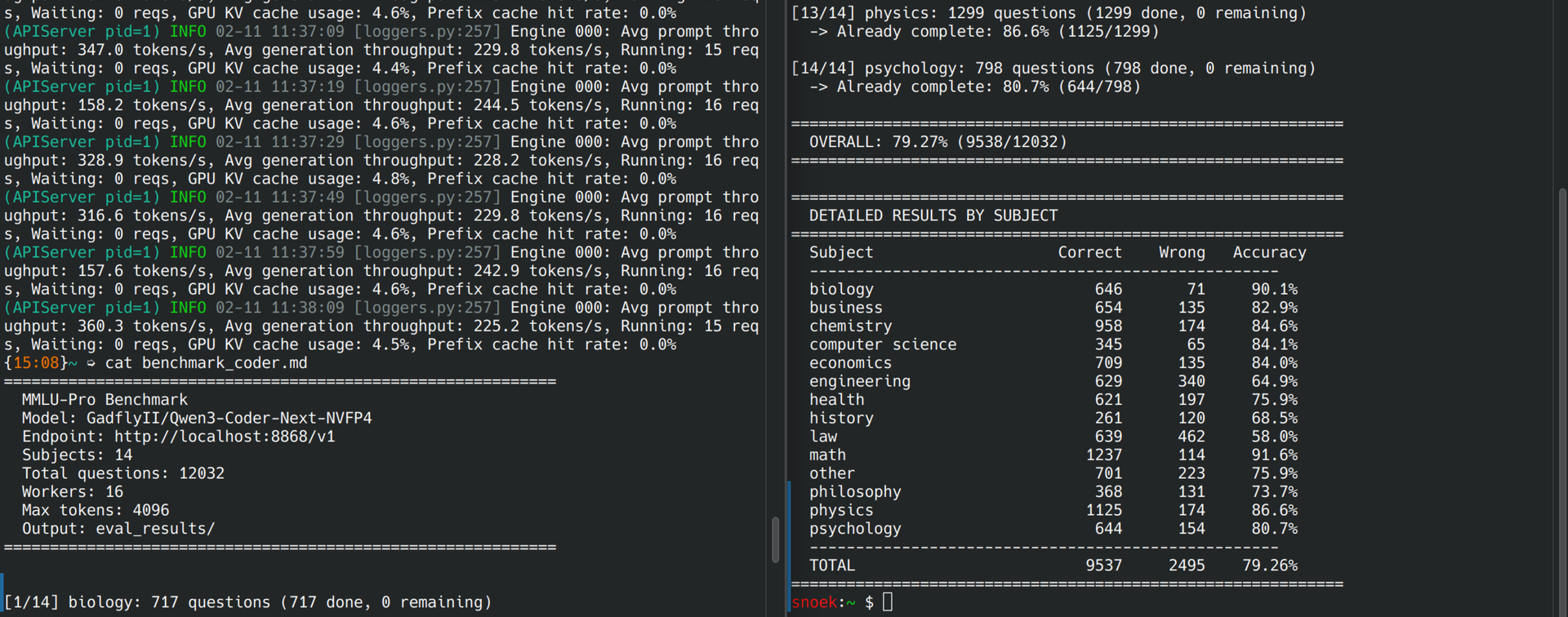
We benchmarked an 80B quantized Qwen3-Coder-Next-NVFP4 model with MMLU-PRO on NVIDIA Jetson Thor in 120W power-limited mode. Result is 79.26% with 304.6 tokens/s prompt and 229.6 tokens/s generation throughput.
For coding agents, Qwen Coder Next delivers excellent quality not only in general benchmarks but also in specific, task-oriented coding agent benchmarks. (over 70% on SWE-Bench Verified using the SWE-Agent)
What does it mean? Run your machines, ladies & gentlemen, we're still in the race against Big-Tech Cloud Compute.
Reasons and Meaning
A lot of people believe: the future of software development is going towards autonomous development, and the Future IT Revenues are not coming from hiring 100's of Indian devs and upselling them to the USA with locking margin on your Seichelles account, but from paying for electricity and running self-hosted coders, which will build features for another nicely pivoted AI-first startup.
As for us, peasants, who own <800GB of VRAM - we can only gossip about bigger open-source models like DeepSeek V3.2 (which is actually worse in SWE-Bench Pro, but a bit better in Terminal-Bench 2.0) and try to run smaller models on available compute with a power of statistical probability, build the features not from the 3rd turn with 👎Opus👎, but with 4th turn based on ⭐️Qwen Coder Next⭐️
With a smaller model, you can run it on consumer-grade hardware (Even on IoT platforms, which will give you smaller bills compared to the 600W RTX5090)
The purpose of this post is to showcase that modern quantization does not lower the abilities of the models, since we're using the INT4 (NVFP4) model instead of FP16.
Model Overview
Qwen3-Coder-Next is Alibaba Cloud's hybrid attention-MoE architecture designed for coding agents and local development with long-horizon reasoning, tool usage, and recovery from execution failures, which are essential for real-world coding agents.
- 80B total parameters, 3B active per token (MoE)
- 256k context window
Our Setup:
- Model: GadflyII/Qwen3-Coder-Next-NVFP4
- Platform: Nvidia Jetson Thor
- Benchmark: MMLU-PRO (14 subjects)
- Workers: 16
- Max tokens: 4096
- Runtime: 24+ hours
Benchmark Analysis
| Subject | Correct | Wrong | Total | Accuracy |
|---|---|---|---|---|
| Math | 1237 | 114 | 1351 | 91.6% |
| Biology | 646 | 71 | 717 | 90.1% |
| Physics | 1125 | 174 | 1299 | 86.6% |
| Chemistry | 958 | 174 | 1132 | 84.6% |
| Computer Science | 345 | 65 | 410 | 84.1% |
| Economics | 709 | 135 | 844 | 84.0% |
| Business | 654 | 135 | 789 | 82.9% |
| Psychology | 644 | 154 | 798 | 80.7% |
| Health | 621 | 197 | 818 | 75.9% |
| Other | 701 | 223 | 924 | 75.9% |
| Philosophy | 368 | 131 | 499 | 73.7% |
| History | 261 | 120 | 381 | 68.5% |
| Engineering | 629 | 340 | 969 | 64.9% |
| Law | 639 | 462 | 1101 | 58.0% |
| --------- | --------- | ------- | ------- | ---------- |
| OVERALL | 9537 | 2495 | 12032 | 79.26% |
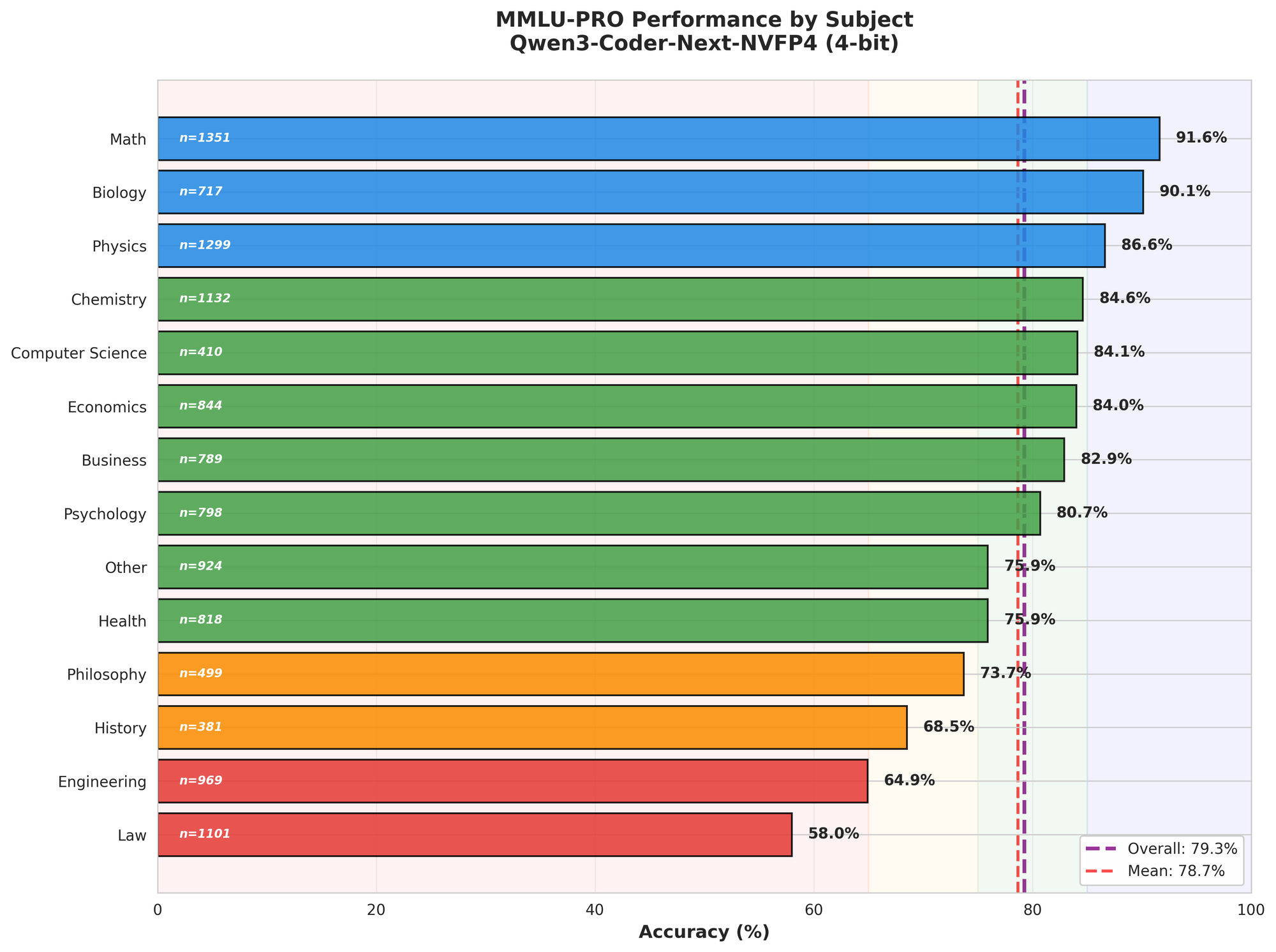
As you can see from the results, the model is smarter in STEM. Maybe it has some correlation with Coder in the name. We cannot verify it with MMLU PRO (and we don't want to), but this was achieved by:
- Continued pretraining on code- and agent-centric data
- Supervised fine-tuning on data containing high-quality agent trajectories
- Domain-specialized expert training (e.g., software engineering, QA, web/UX)
- Expert distillation into a single deployment-ready model
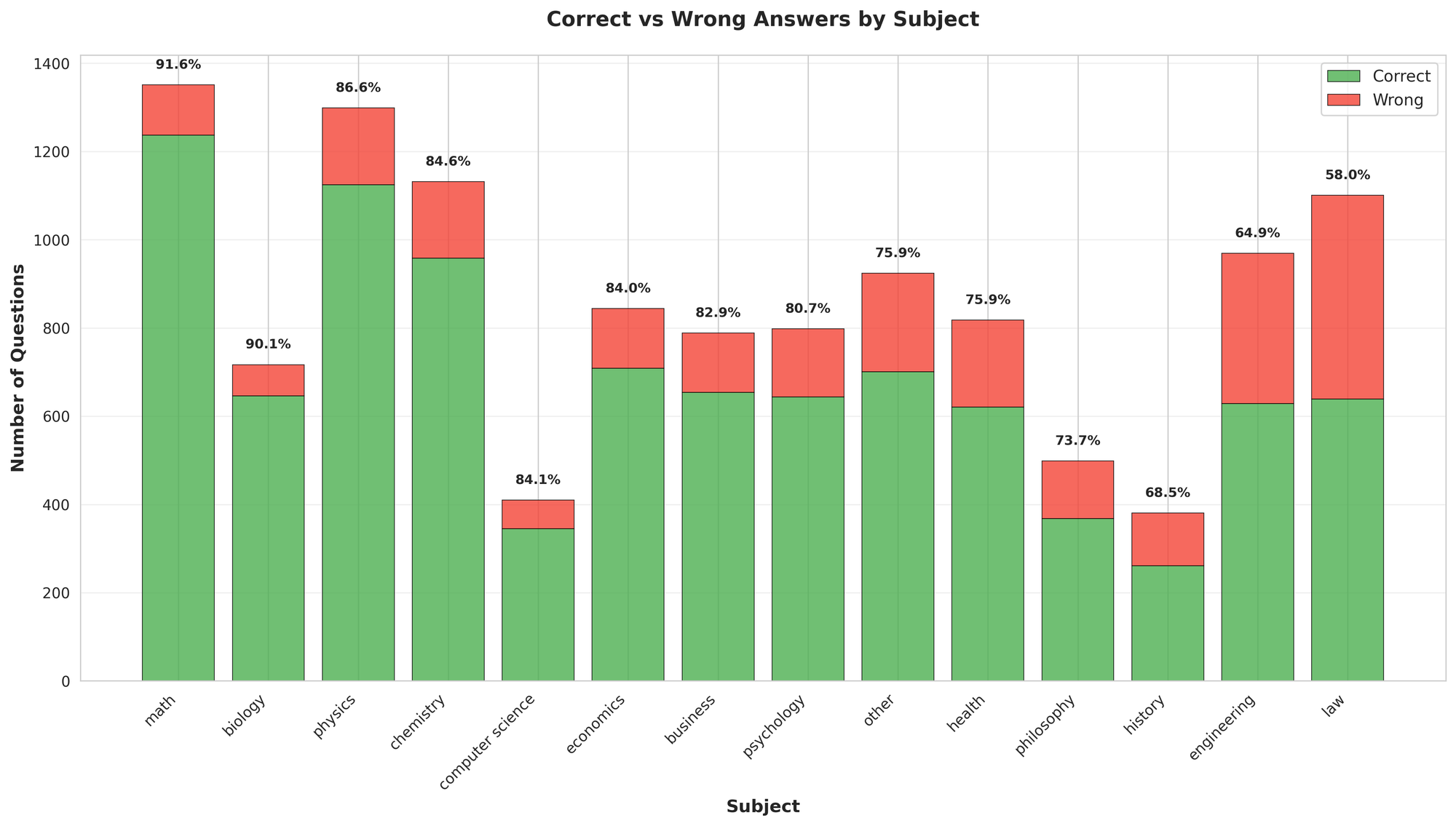
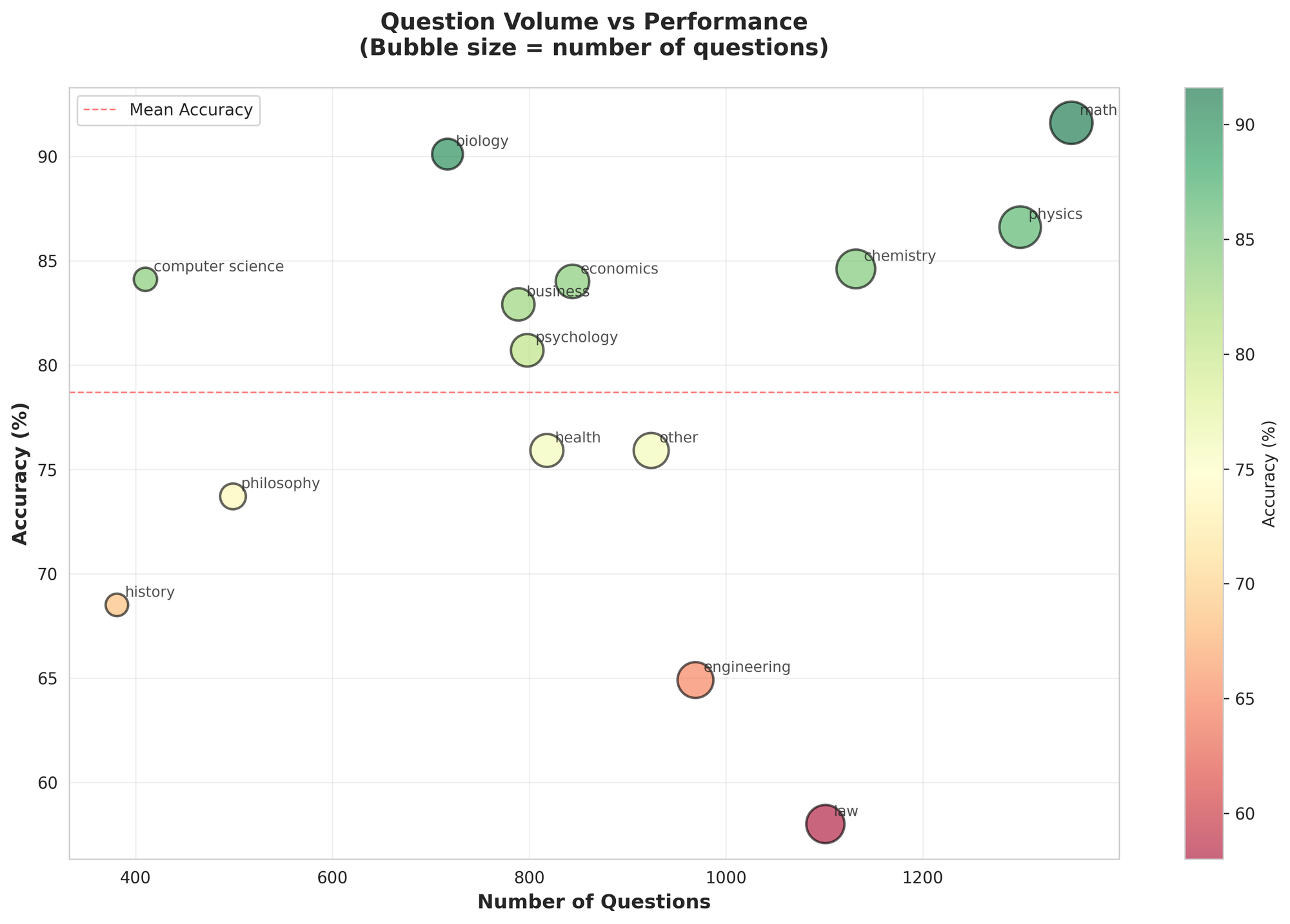
STEM dominance - Category analysis shows the highest performance in STEM subjects
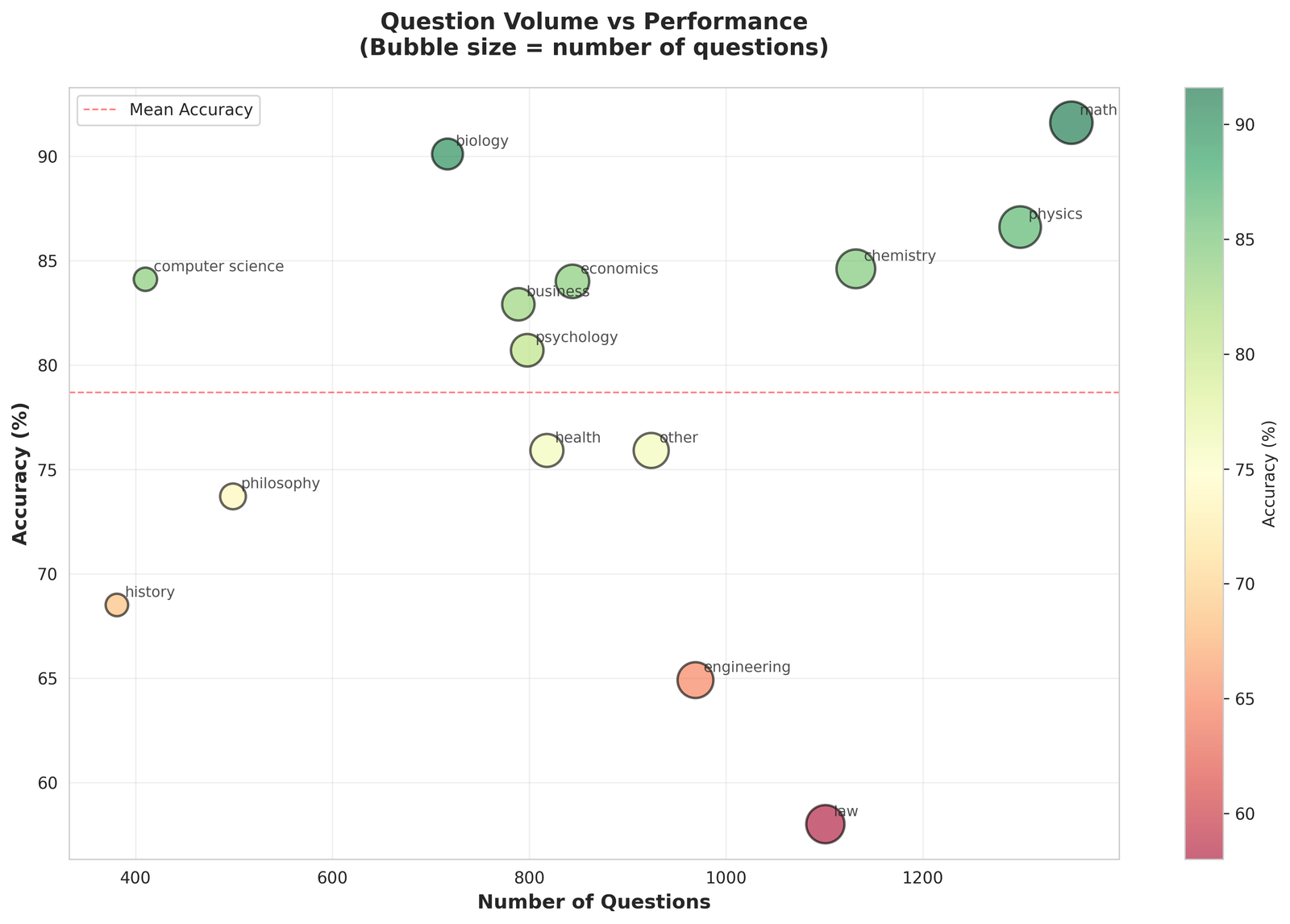
No volume bias - Scatter plot proves question count doesn't affect accuracy
Tier distribution - 3 excellent, 7 good, 2 fair, 2 poor subjects
Error concentration - Law and Engineering have the highest error rates (>35%)
Consistency - Most subjects cluster around 75-85% (good tier)
Throughput Analysis
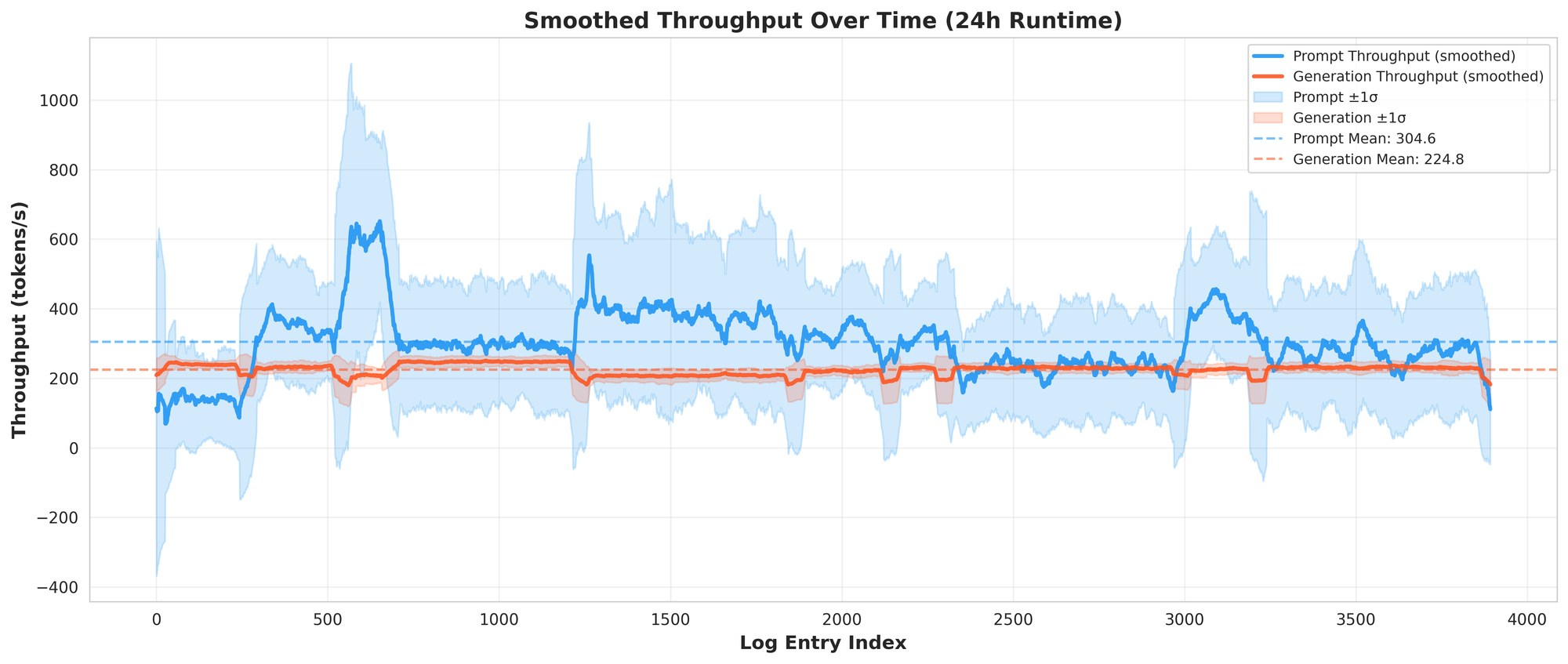
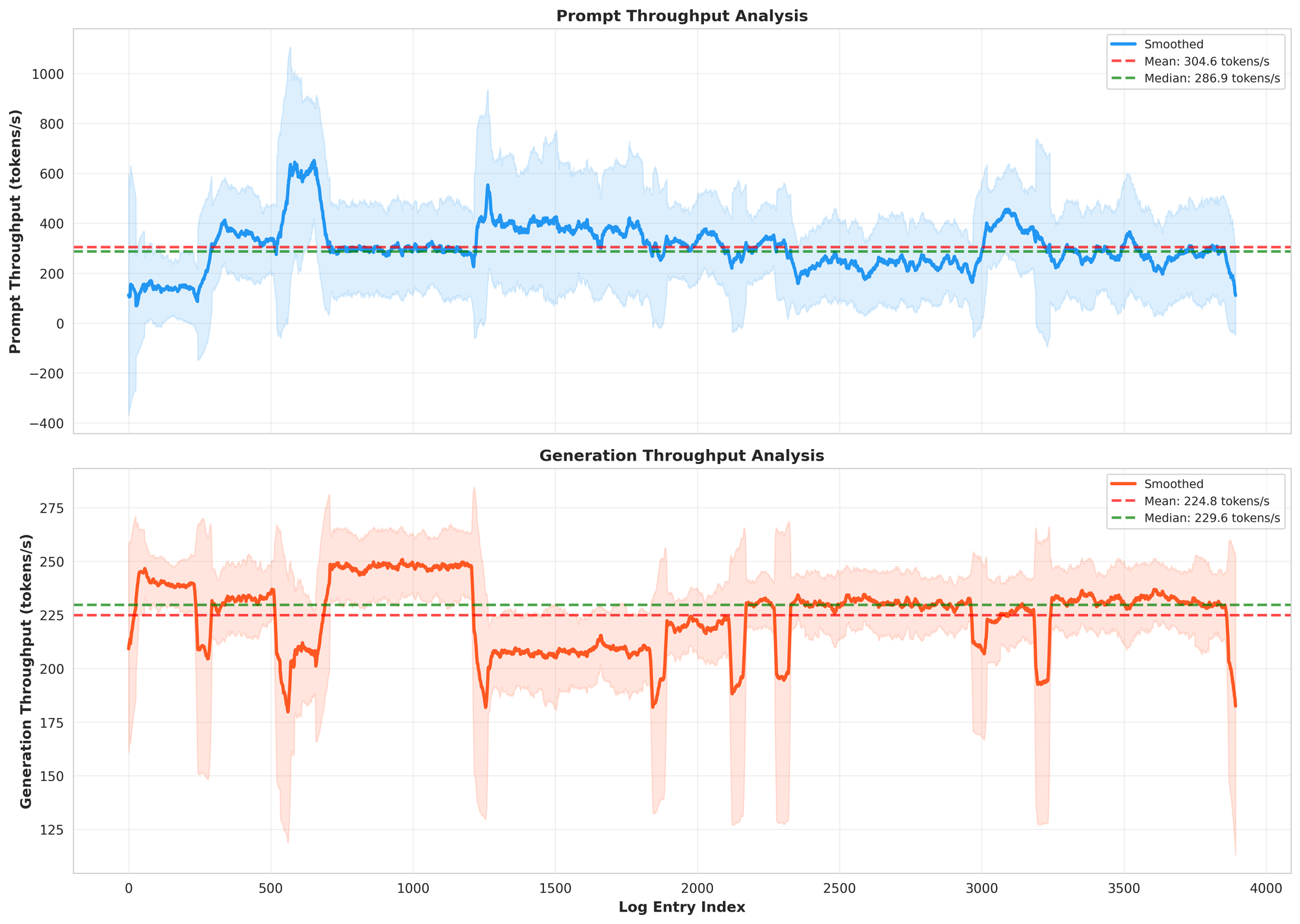
The throughput metrics reveal a tale of two systems: generation throughput is stable with a mean of 229.6 tokens/s and STD of 30.1 (13%), showing zero spikes over 24 hours. In contrast, prompt throughput exhibits significant variability (mean 304.6 tokens/s, std 233.88)
Conclusions
For local development teams or small agencies running coding agents, this quantized model delivers enough performance to avoid extensive model usage and win over market average expenses on coding agents at the moment. Quantization from FP16 gives us 3.44% less on MMLU PRO, compared to Qwen3-Next-80B-A3B-Base, but additional work from the Qwen team gives us more on Terminal and Agentic workforce. Try it out, run and control your own stack.
Links:
- Original: Qwen/Qwen3-Coder-Next
- Quantized: GadflyII/Qwen3-Coder-Next-NVFP4
- Announcement: qwen.ai/blog
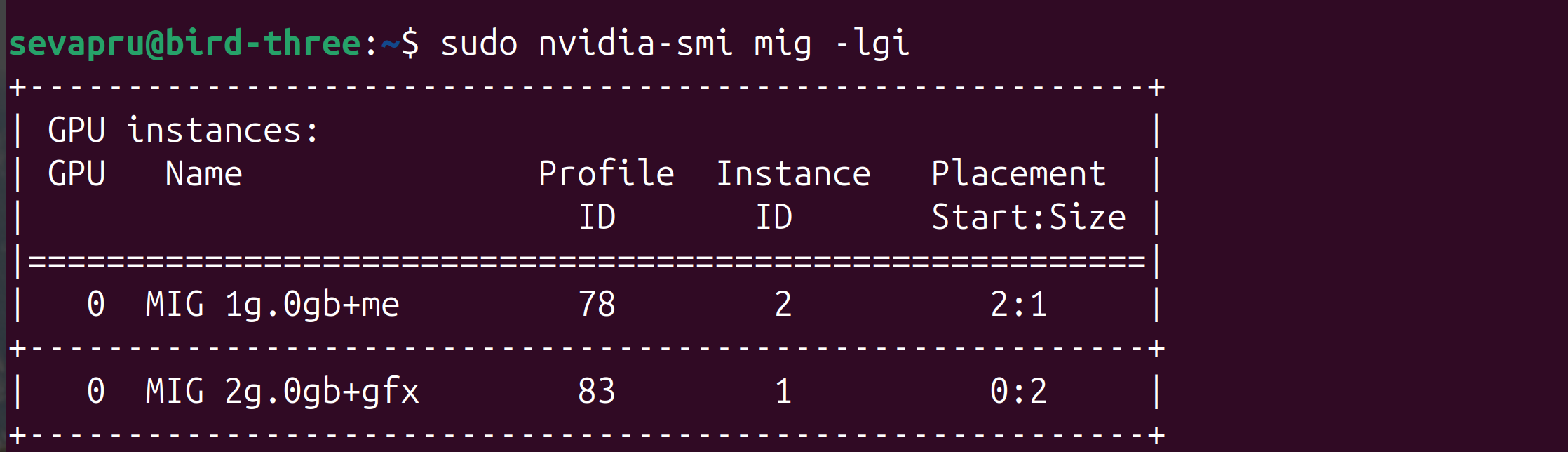
Benchmarked on NVIDIA Jetson Thor @ 120W power mode.
Hope you have a good day/night,
Vsevolod Prudius, Sobaka Team.